From Mill to Mixing Bowl: Britain’s Bakes Reimagined Locally

Today we journey into The Baker’s Pantry: Local Ingredients Shaping UK Classics, celebrating how stoneground flours, farmhouse dairy, hedgerow fruits, and small-batch sweeteners revive beloved scones, tarts, buns, and puddings. Expect practical guidance, heartfelt stories, and sensory detail that help every crumb express place, season, and the quiet craft of nearby hands.

Grain with a Name: Stoneground Character in Classic Crumbs

When flour carries the memory of soil and weather, even a simple loaf cake or shortcrust whispers of fields and mills. Stoneground wholemeal, heritage wheats, and fresh milling dates reshape hydration, handling, and flavor, nudging UK favorites toward deeper aroma, nuttier sweetness, and a satisfying, honest chew that welcomes butter, jam, and conversation.

Heritage wheats giving sponge and pastry a living backbone

Spelt, emmer, and einkorn contribute gentle gluten structures, buttery aromas, and warm, earthy sweetness that transform a Victoria sponge or Bakewell base. Expect slightly tenderer crumbs, quicker absorption, and a fragrant finish that lingers. Blend thoughtfully, respect freshness, and let the flour’s personality lead technique rather than forcing habits built on anonymous white.
Hydration that listens to bran, germ, and a miller’s touch

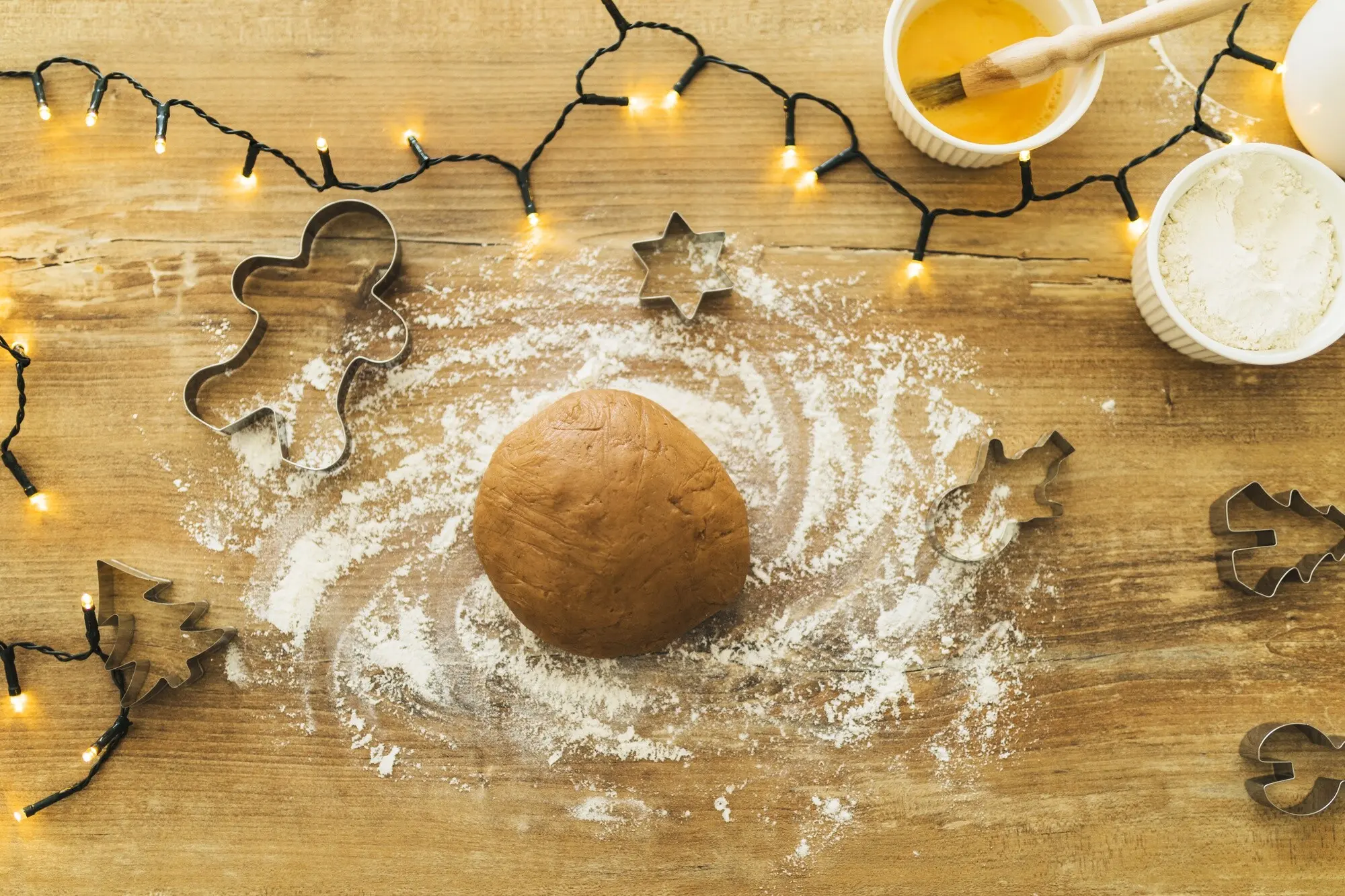
Stoneground flours drink eagerly, asking for patient mixing and a pause before judging consistency. Give batter a quiet rest, then adjust with a splash or sifted top-up. This conversation encourages tenderness, reduces overmixing, and helps traditional cakes, buns, and biscuits carry more flavor without becoming dense, unlocking a balanced, resilient crumb.
When freshness outbakes additives, date your bags like produce

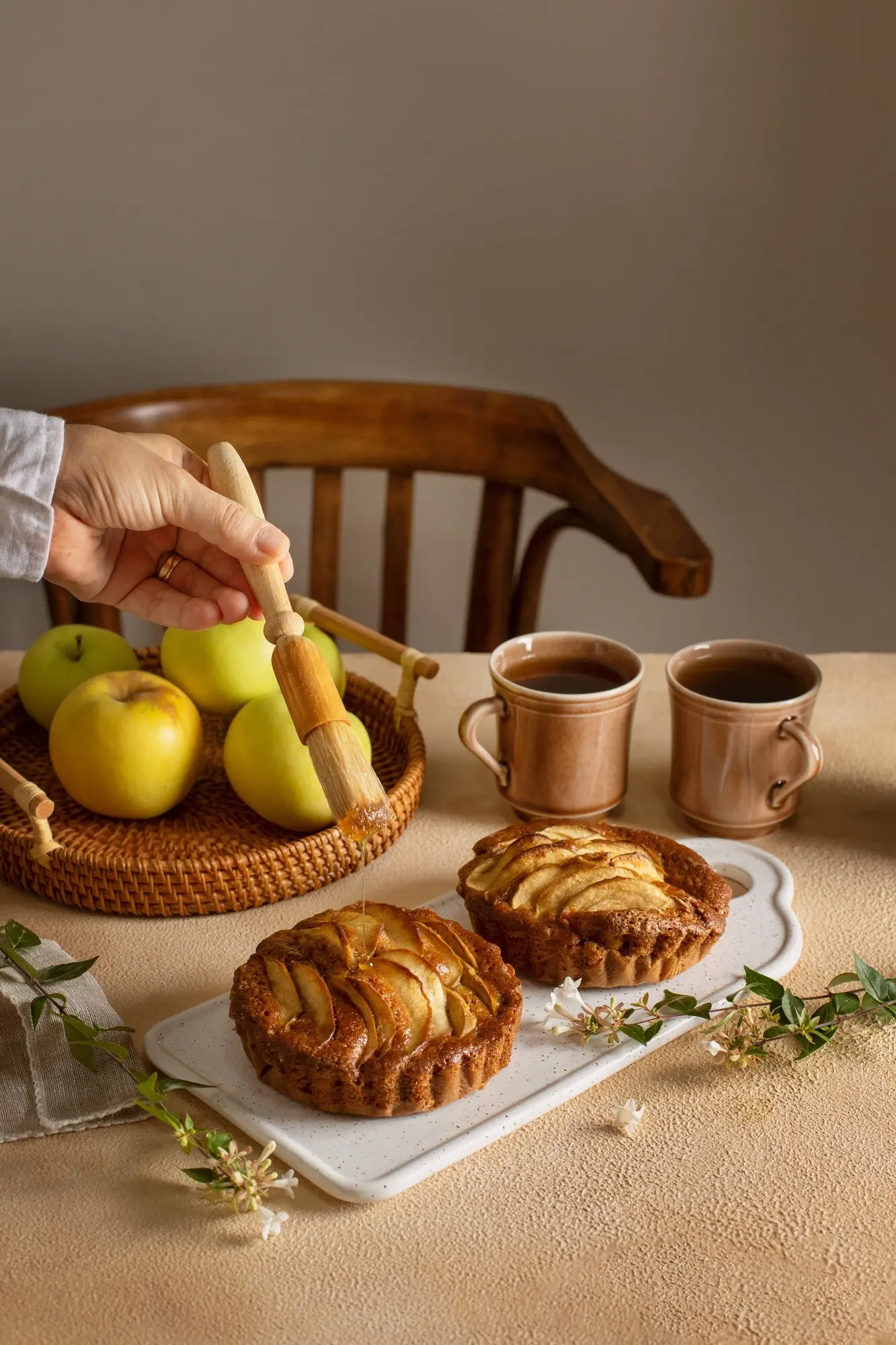
Freshly milled flour behaves vibrantly, shortening mixing times, amplifying aroma, and asking for gentler hands. Note the mill date, store cool, and buy in modest amounts. Your Eccles pastry, shortbread, and hot cross buns will reward you with cleaner flavors, better browning, and a confident structure that needs fewer crutches and shortcuts.
Butter, Cream, and the Quiet Power of Pasture

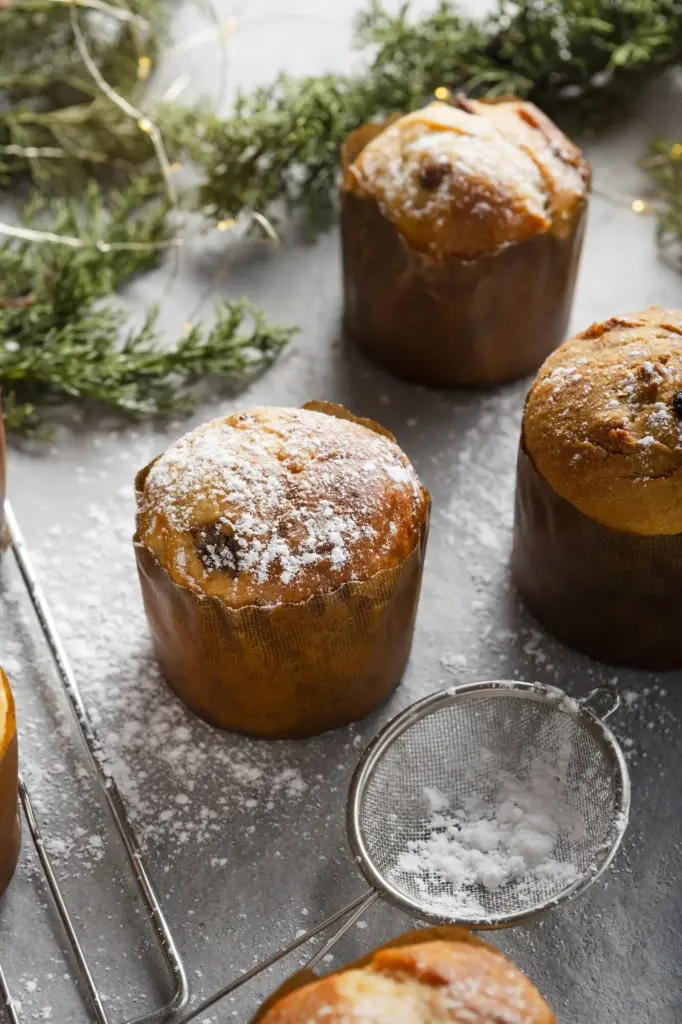
Butterfat percentage, microbial culture, and grazing landscapes subtly steer flake, crumb, and mouthfeel. Cultured butter lifts lamination, clotted cream deepens scones, and thick yogurt softens quick bakes. Choosing regionally distinctive dairy lets familiar British bakes speak more clearly, layering lactic brightness, richer color, and a long, elegant finish that feels both humble and luxurious.

Cultured butter weaving layers that snap, sigh, and perfume

With gentle tang and higher butterfat, cultured butter relaxes lamination, encouraging crisp edges and tender interiors in puff, rough puff, and kouign-amann style twists for playful UK riffs. Keep it cool, roll with calm, and watch how this dairy’s quiet acidity balances sweetness, making pastries taste fuller without heaviness or oily echoes afterward.

Clotted cream lending scones gravity without stealing lightness

Cornish-style clotted cream carries caramel notes from slow heat and high-fat splendor. Fold a spoon into dough or crown warm halves with jam for contrast. Its gentle sweetness, silky body, and sunlit color echo pasture and careful craft, creating an experience where crumb, cream, and fruit harmonize rather than compete or blur.

Hedgerow Brightness and Orchard Depth in Familiar Favorites

Seasonal fruits, from Yorkshire rhubarb to Kentish cherries and windfall apples, bring color and contrast to classics. Foraged blackberries, elderflower, and damsons invigorate sponges, tarts, and buns with tart sparkle and floral lift. Choosing what’s ripe nearby reduces sugar needs, respects texture, and keeps each bake rooted in time, place, and memory.

Blackberries and elderflower turning a countryside sponge luminous

Mac­erate glossy berries with a whisper of elderflower cordial to coax jammy depth and meadow perfume. Fold gently to protect structure, then balance sweetness so crumb remains buoyant. The result tastes like late-summer lanes and soft evening light, an ordinary sponge transformed into a postcard you can slice, share, and remember kindly.

Forced rhubarb painting buns tart-pink with graceful poise

From the Yorkshire triangle, forced rhubarb delivers delicate acidity and radiant color. Roast with orange zest and a restrained spoon of sugar, then thread ribbons through cardamom buns or scatter on custard tarts. Its lively sharpness cuts richness, while soft fibers melt, leaving a clean, modern echo inside deeply traditional shapes.

Honey, Syrup, and the Golden Shade of Sweetness

Not all sweetness is equal; it carries fields, flowers, and fires. Heather honey, borage, treacle, and golden syrup contour parkin, puddings, and biscuits with perfume, mineral bass, and caramel snap. Thoughtful pairing reduces sugar shock, supports whole grains, and draws British bakes toward complexity that lingers rather than shouts and vanishes quickly.

Pinches, Zests, and Wild Notes that Define the Finish

A final scatter or steep can turn pleasant into memorable. Sea salt from rugged coasts, garden herbs, gorse, or sea buckthorn create edges and flashes of light in familiar sweets. Embrace restraint and intention, so each accent amplifies butter, grain, and fruit, ending bites on a crisp, confident, unmistakably local cadence.

Sea salt crystals making caramel and chocolate truly ring

Flaky crystals pop like punctuation, sharpening butterscotch notes and balancing sweetness. Sprinkle after baking so structure stays distinct. Choose regional salt for subtle mineral signatures that complement dark sugars and butter, then watch brownies, tarts, and millionaire’s shortbread finish with clarity, not cloying, inviting another neat square rather than a guilty retreat.

Garden herbs, moorland blossoms, and a careful hand with green

Rosemary needles chopped impossibly fine can lift lemon shortbread; thyme warms plum frangipane; gorse or heather lends breeze-kissed whispers when steeped in cream. Always infuse thoughtfully, strain, and taste as you go. The goal is lift and memory, never perfume that tramples grain, dairy, and fruit into confused, perfumed quiet.

Spice cupboards with accents shaped by place and friendship

Caraway nods to old loaves, mixed spice comforts fruitcakes, and grated nutmeg loves custards. Source small quantities, toast gently, and grind fresh. Combine with local honey or oats to anchor warmth in something unmistakably British, building complexity that rewards slower chewing, softer conversation, and another pot of careful, companionable tea.

Ale, stout, and naturally lively leavens bringing lift and lore

A splash of malty stout deepens chocolate cake; spent yeast from local brewers can seed preferments for buns. These ferments add aroma without sourness when handled cool and slow. Treat them like conversation partners, not blunt tools, and the crumb will rise expressive, steady, and full of quietly familiar pub-side warmth.

Rests, autolyse, and the tender art of softening bran

Let batters sit so flour hydrates and air disperses evenly, reducing toughness. With wholemeal, a brief autolyse lets bran weave, not tear. You will feel less resistance, see cleaner edges, and taste bigger grain character. These tiny pauses repay you with forgiving doughs and confident results that welcome gentle hands and patience.

People Behind the Pantry: Millers, Dairies, and Growers

Ingredients are invitations from neighbors. Meeting the miller, visiting a churn room, or walking an orchard reframes recipes as relationships. Stories explain texture and taste, guide substitutions, and build trust. Each handshake strengthens a bake, making gifts for friends feel like postcards mailed from the places that raised them kindly.

A morning in the mill where flour keeps its surname

The air tastes sweet and warm; stones hum; sacks wear chalk fingerprints. The miller speaks about weather, protein, and extraction like family. You leave with smaller bags, fresher flour, and practical tips. Later, your shortcrust relaxes sooner, browns deeper, and cracks sing quietly as it cools, promising flavor earned by proximity.

Creamery doors opening to the logic of fat and culture

Watching butter form explains lamination better than any textbook. You see temperature discipline, starter nuance, and the patient folding of small miracles into everyday blocks. Back home, pastry flakes cleaner, cakes color richer, and that understated, cultured tang threads through crumbs like a friendly accent that welcomes conversation and second helpings.

Your Turn: Stocking, Swapping, and Sharing What You Bake

{{SECTION_SUBTITLE}}

A flexible checklist that respects cravings and seasons

Stoneground flour, cultured butter, sea salt, a floral or dark sweetener, and something bright from orchard or hedgerow. Add spices sparingly and stock only what you will taste thoughtfully. This keeps storage simple while guaranteeing variety, helping classic recipes stay nimble, expressive, and genuinely connected to where you live and bake.

A writing habit that captures subtle improvements honestly

Note mill dates, hydration choices, resting times, and whether honey overshadowed berries or simply lifted them. Record oven quirks, pan colors, and how a cooler room brightened lamination. These lines become a map, shrinking uncertainty and amplifying joy as your familiar bakes grow distinct, reliable, and gently, confidently personal over time.
Piraloritarixarizoriloro
Privacy Overview

This website uses cookies so that we can provide you with the best user experience possible. Cookie information is stored in your browser and performs functions such as recognising you when you return to our website and helping our team to understand which sections of the website you find most interesting and useful.