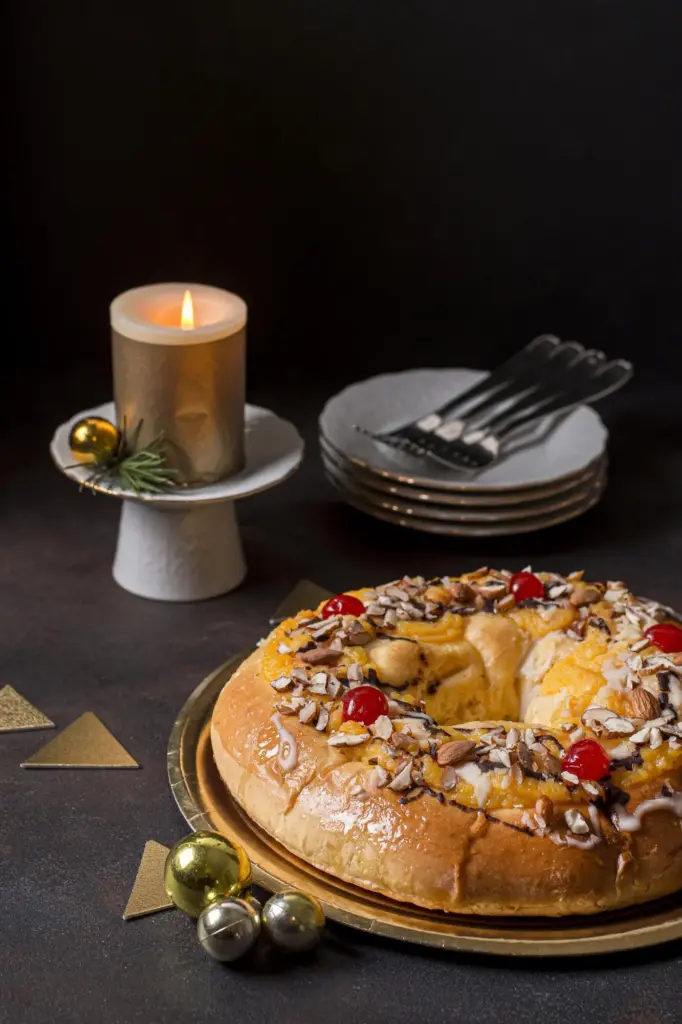
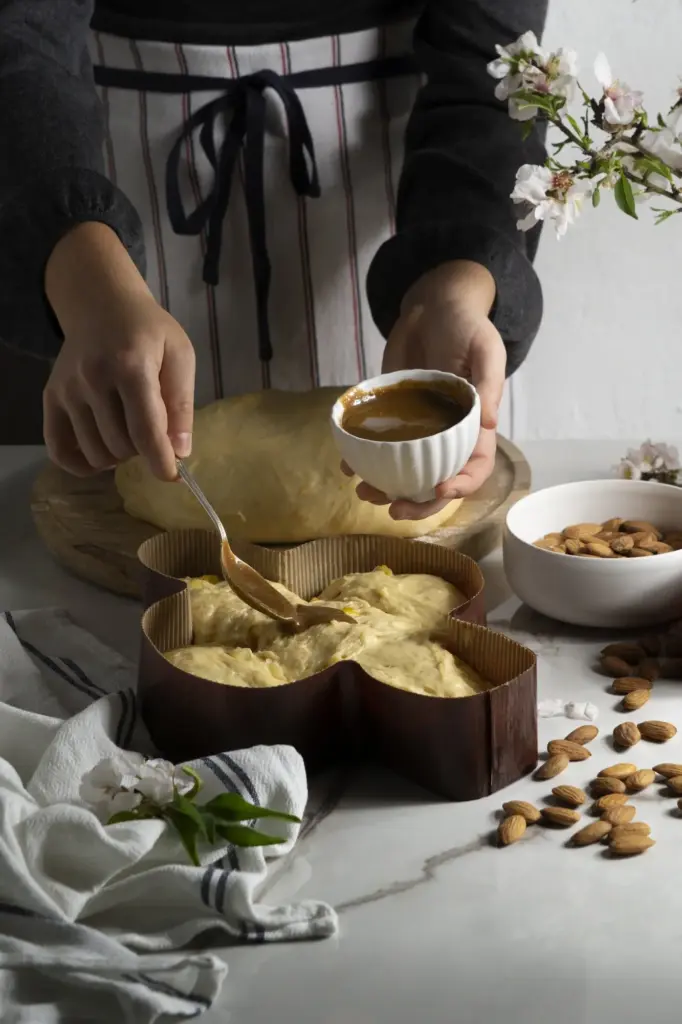
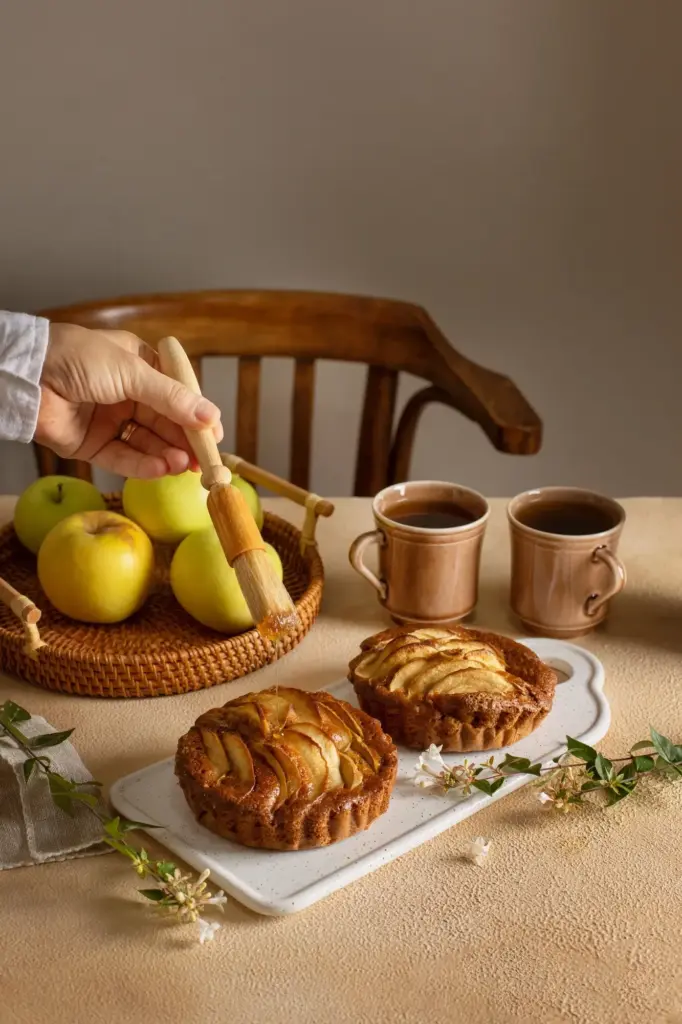
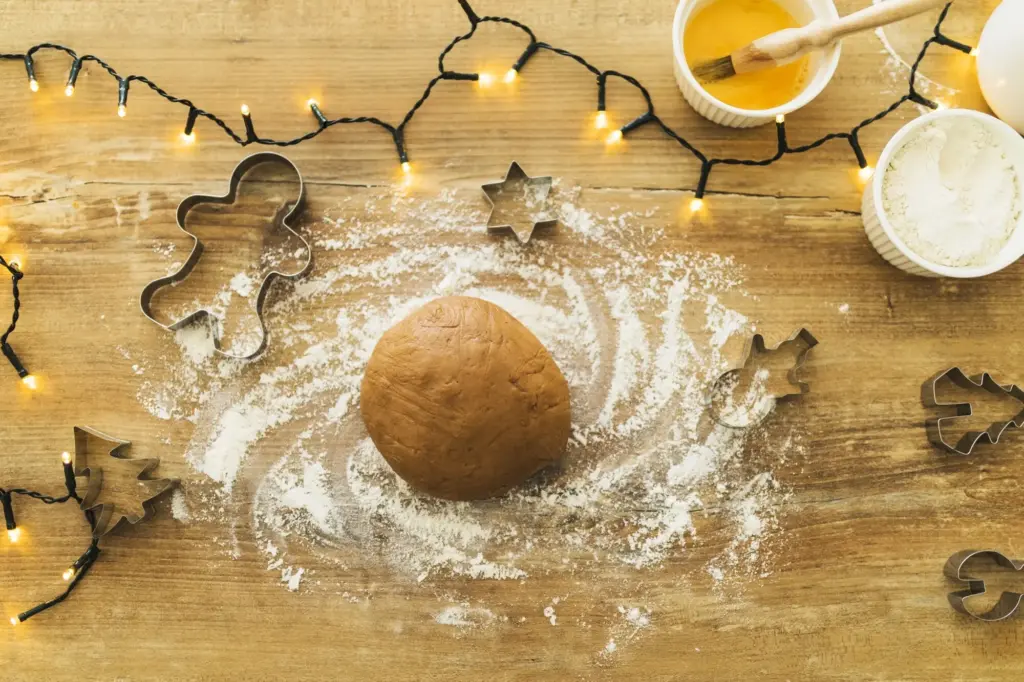
Britain’s Festive Oven: Celebrations in Crusts and Crumbs

Join us as we explore Festival and Holiday Bakes from Across Britain, traveling from church fêtes to winter fairs where ovens perfume streets with butter, spice, and memory. We’ll celebrate hot cross buns, mince pies, Simnel cake, parkin, black bun, and more, pairing stories with practical guidance. Expect history warmed through with modern tips, regional quirks that surprise, and ideas you can bake today. Share your favorites, ask questions, and help shape the next batch of joyful, generously buttered discoveries.

Crosses, Spice, and Spring Light: Hot Cross Buns

Spotted with currants, kissed by citrus, and marked with a flour paste cross, hot cross buns return each spring like birds over a familiar shoreline. Some swear they taste best split and toasted, butter melting into spiced sweetness. Folklore promises protection if hung in a kitchen, while bakers know the true magic is balance: gentle spice, soft crumb, and a glaze that catches sunlight on early mornings before the eager kettle sings.

Bonfire Sparks in a Tin: Yorkshire Parkin

Bonfire Night tastes of treacle, ginger, and smoke, captured in square slices of parkin that grow more tender after resting. Oats lend a rustic chew, treacle brings thunder-dark depth, and ginger warms cold fingers round paper cups. Families bake trays ahead, wrapping them carefully, letting time soften edges and concentrate flavor. Eaten with sparks crackling in the sky, each bite anchors spectacle to hearth, reminding revelers that light and heat begin in humble kitchens.

Spice, Fruit, and Smoke: Britain’s Pantry of Celebration

Celebratory bakes draw from a larder shaped by trade winds and hedgerows: currants, sultanas, candied peel, Seville marmalade, dark sugars, and local dairy. Sea salt from Welsh coasts and Scottish heather honey meet warm spice caravans of cinnamon, nutmeg, and clove. Regional mills grind characterful flours, while backyard apple trees donate tart balance. This pantry proves that history lives on shelves and in tins, and that every stirring spoon can connect distant ports with neighborhood tables effortlessly.

Mincemeat That Sings

Modern mincemeat contains no meat, yet it roars with character: dried fruits, apple, citrus zest, suet or plant-based fat, brown spirits, and spice. A gentle low-heat mingle knits flavors, then jars rest, deepening like a choir finding harmony. Spoon it into delicate pastry and the kitchen brightens instantly. Adjust sweetness, switch brandy for rum, or fold in chopped nuts for crunch. The goal is balance, sparkle, and warmth—festive resonance in every flaked, jewel-studded bite.

Salt, Honey, and Citrus Bridges

A pinch of flaky sea salt snaps flavors into focus, lifting treacle’s bass notes and taming sweetness in caramel glazes. Heather honey brings meadow perfume to shortbread or oat biscuits, while Seville oranges, briefly in season, brighten winter doughs and icings. These accents bridge regions: coastal breezes, highland slopes, and sunlit Iberian groves converse in one bowl. When used thoughtfully, they turn familiar recipes immediate and vivid, as if history itself zested the rind.

Oats, Barley, and Soft Wheat

Texture guides memory, and flour chooses texture. Oats lend chew and comfort to parkin and biscuits, barley offers a rustic whisper perfect for hearty loaves, and soft wheat flour cushions enriched doughs into pillow-light buns. Blending flours invites nuance without losing tradition’s soul. Respect hydration, rest, and gentle handling; flours are living archives, recording rainfalls and sunbursts. When you learn their dialects, your festive baking speaks clearly, telling home stories through crumb, crust, and satisfying chew.

Slow Soaks and Bold Bakes: Techniques That Mark the Season

Holiday treats reward patience: fruit soaks until plump; dough rests into docility; puddings steam while windows fog. Heat becomes collaborator, not dictator, and time writes flavor deeper than spice alone. Each technique blooms from practicality—preservation, frugality, celebration—yet feels luxurious when unhurried. Embrace gentle warmth, measured turns of pastry, and recurring rituals like feeding cakes. When you bake this way, you taste more than ingredients; you taste pauses, conversations, and the hush between winter footsteps outside.

Family Tables, Village Squares, and Traveling Ovens

Festive bakes are passports stamped with fingerprints, radio songs, and borrowed tins. A grandmother’s handwriting outlives her apron; a neighbor’s spice mix migrates after a street party; a child remembers the wobble of jelly beside trifle. Markets swap recipes alongside stories, traders offering tips with winked secrets. On trains, foil-wrapped slices pass between seats like contraband kindness. These moments prove that celebration rises wherever people gather, and that crumbs can map friendships better than any printed program.

Tradition, Reimagined: Welcoming Every Diet to the Feast

Celebration should include every guest, so classic flavors deserve adaptable pathways. Flours can be blended gluten-free without losing tenderness; plant-based fats carry spice handsomely; nuts, dairy, and eggs have thoughtful substitutes. The trick is honoring texture, ritual, and aroma while making room at the table. Test, annotate, and share results generously. When adjustments succeed, they feel less like compromise and more like hospitality perfected—proving kindness is the quiet leavener that lifts gatherings higher than butter alone.

Gluten-Free, Still Golden

For mince pies that flake without wheat, combine a reliable gluten-free blend with ground almonds for tenderness, and chill thoroughly to tame crumbliness. Roll between parchment, patch neatly, and embrace smaller tins for structural confidence. A dusting of sugar finishes with cheery sparkle. Feedback from guests matters most; iterate by adjusting binders and hydration. Share your ratios in the comments, and let others learn quickly, skipping mistakes while keeping that essential wintry whisper of citrus and spice.
Plant-Forward Indulgence

Vegan bakes become celebratory when fat choice, sweetness, and structure harmonize. Try dairy-free butter with a high fat percentage, aquafaba for lightness, and oat cream for sauces that coat luxuriously. Aromatics like orange zest and vanilla bridge any missing butter notes. For brandy butter’s spirit, whip plant butter with icing sugar, a splash of brandy, and pinch of salt. Invite friends to taste-test; collective palates refine recipes faster, and joy grows when discovery happens together.
Allergen Awareness Without Fear

Safety is flavor’s foundation. Label clearly, separate tools, and bake allergen-friendly items first to avoid traces. Replace nuts with toasted seeds for crunch, choose certified oats, and keep ingredient lists transparent for easy reassurance. Provide separate serving utensils and a cheerful, dedicated platter. Ask guests privately about needs; listening prevents guesswork and communicates care. Post your checklists and signage templates for others to borrow, building a culture where everyone can relax, laugh, and reach confidently for seconds.
Your Year in the Oven: A Practical Roadmap

Plan a rolling celebration that keeps spirits bright without exhausting the baker. Pair monthly highlights—Seville orange bakes in January, hot cross buns near Easter, parkin for Bonfire Night—with gentle prep routines: fruit soaking schedules, pastry batches in the freezer, and well-labeled spice refreshes. Track what vanished fastest, then repeat with tweaks. Invite readers to vote on upcoming projects, subscribe for printable timelines, and join a friendly mailing list where successes, flops, and new rituals find warm applause.
Piraloritarixarizoriloro
Privacy Overview

This website uses cookies so that we can provide you with the best user experience possible. Cookie information is stored in your browser and performs functions such as recognising you when you return to our website and helping our team to understand which sections of the website you find most interesting and useful.